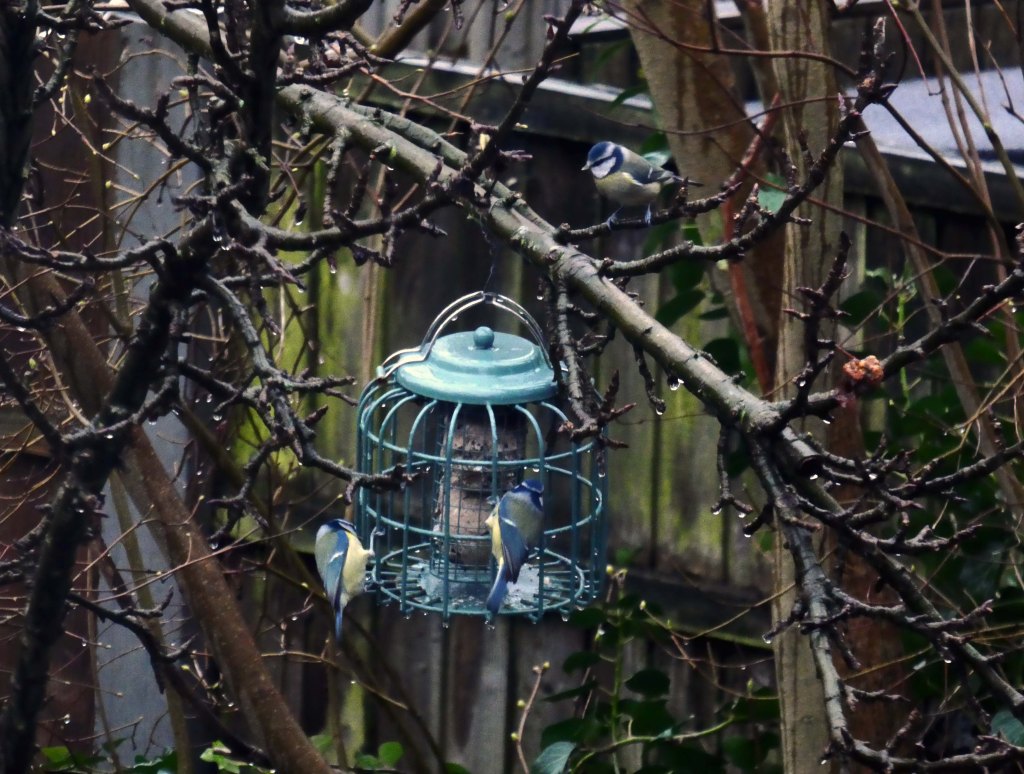
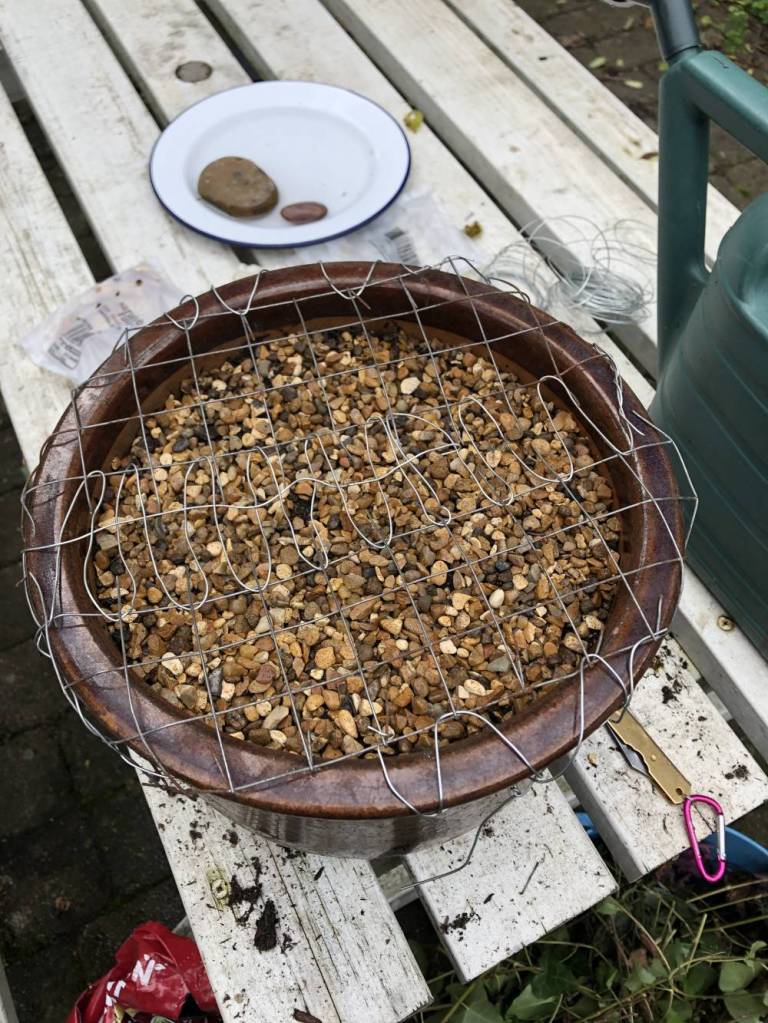
The relatively small metal grid means this feeder is only accessible to small birds. Photo credit N.Morrison 2021
Ok they don’t seem that hangry – in fact, flitting from branch, chirping to each other constantly, they are pretty charming. Once all the leaves fall from the trees, birds become more visible and are one of the main attractions in many gardens during the winter months.
The species of birds which visit your garden is somewhat out of your control – birds will already have established routes and preferred habitats which will be impacted more by the wider environment than by your little patch of land; you can however, encourage the local birds to visit your garden more regularly and to linger for longer.
So how can you encourage birds to your garden?
Food & Water. Just like us, birds are motivated by their stomachs – although this is more of a matter of life and death for them than for most of us. With food in shorter supply over the winter months, many birds benefit from some extra food being provided.
It’s worth investing in a squirrel proof bird feeder if you want the birds to be in with a chance. The type of feeder you choose will also impact the kind of food it can hold, and which birds can access it, so have a look at the RSPB website to see which foods would be most appropriate for the birds you see around your garden –https://www.rspb.org.uk/birds-and-wildlife/advice/how-you-can-help-birds/feeding-birds/safe-food-for-birds/
Water is just as important in the winter as in the summer – especially so in dry spells. Bird baths should be placed well away from somewhere a predator (cats, foxes and so on) might hide in wait, so the birds can visit without being ambushed.
Similarly, bird feeders should be hung high enough to provide the birds with a good view of the garden, some cover and easy access and escape so they will feel safe enough to feed.
Of course, birds don’t only eat food we leave out for them – if you create the right conditions you will notice they take advantage of other feeding spots around your garden too.
Other garden attractions to birds include;
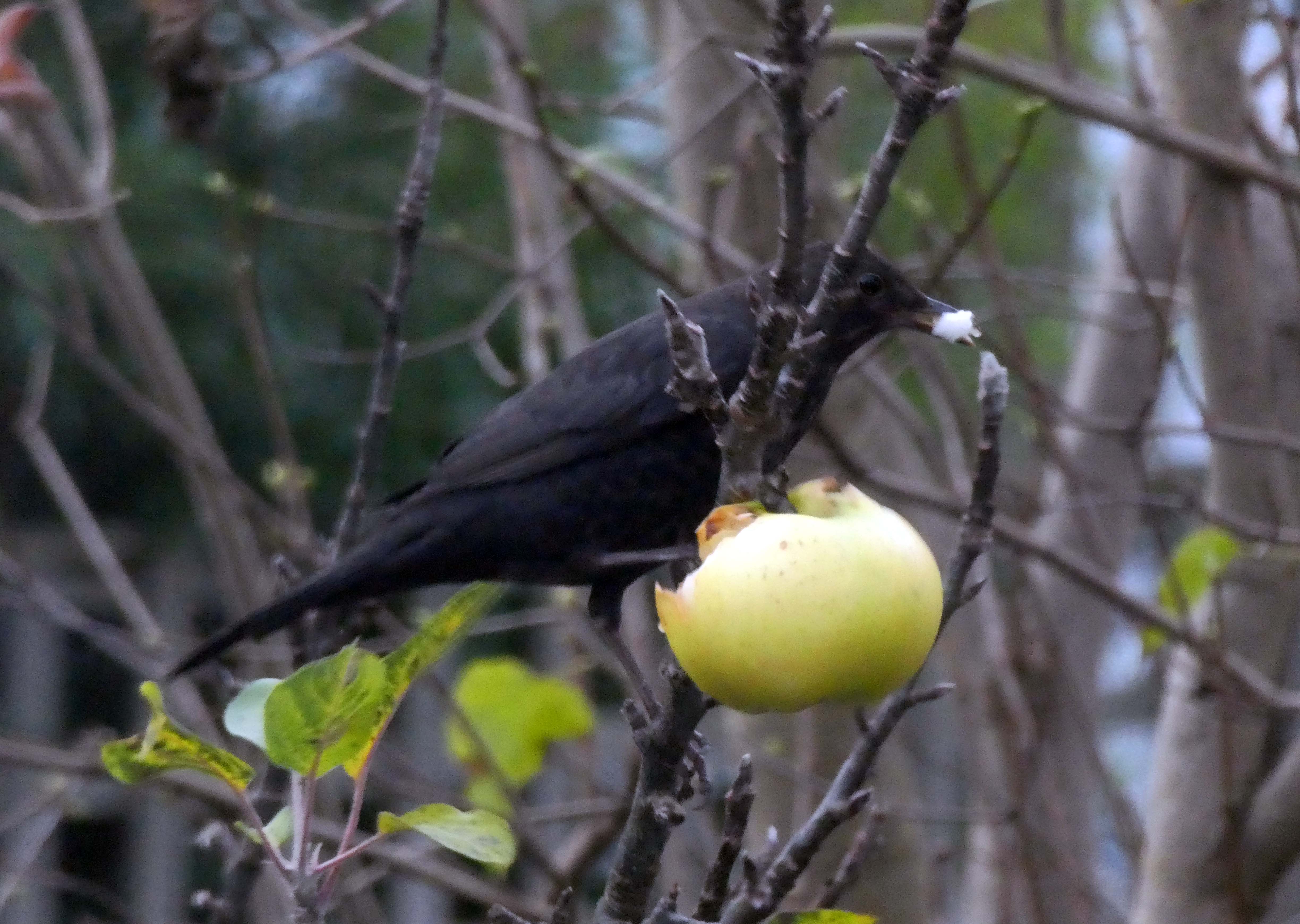
Fruiting plants – in winter, birds will feed on fruit which failed to ripen to our tastes and it is always a good idea not to strip fruiting plants completely (even if they all look ripe) and leave some for them.

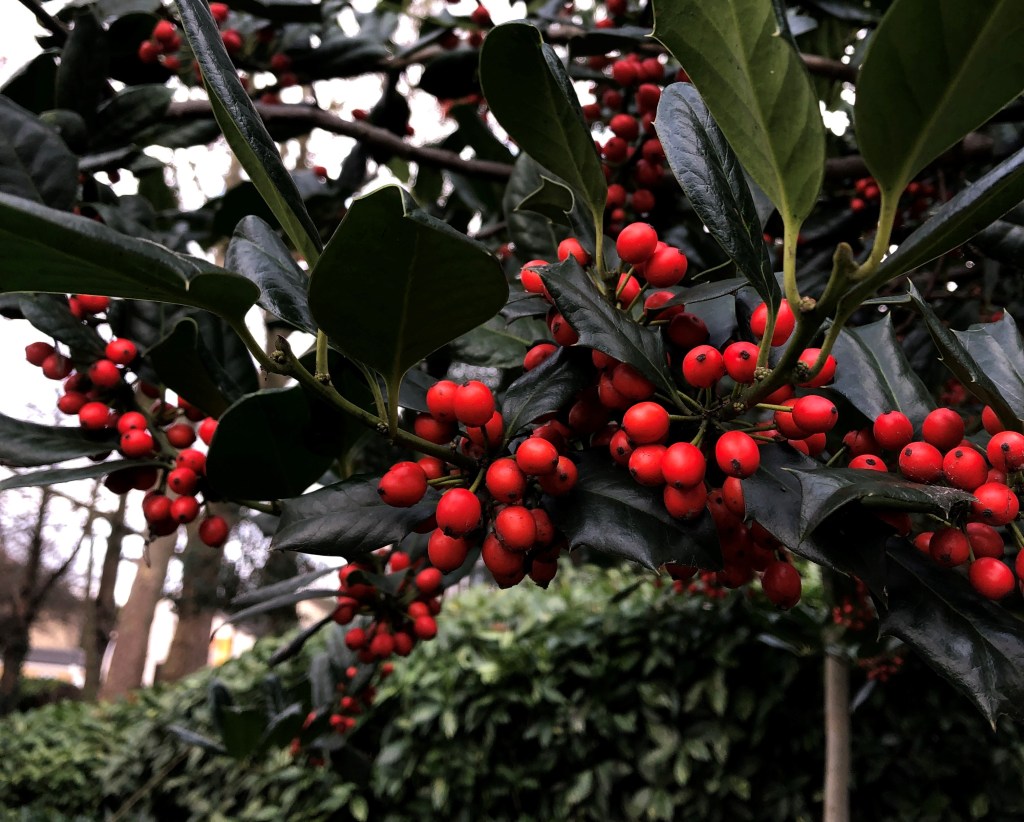
Other plants may have fruit which we wouldn’t eat but that birds love, for example ivy flowers are great late sources of food for pollinators and then the birds feast on the berries that follow. Rowan, hawthorn, holly, pyracantha and many others provide beautiful colour in winter and lots of food for avian visitors too.
Seed heads – birds will feed on seed heads which remain over winter. It is worth leaving plants un-tidied over winter so birds can make the most of the seeds still present. Many summer flowering plants such as teasels, sunflowers and lilacs offer attractive food for birds and you will see them taking from both your ‘human’ bird food and this naturally occurring seed. These seed heads also look beautiful in frosty weather – another reason to leave them.
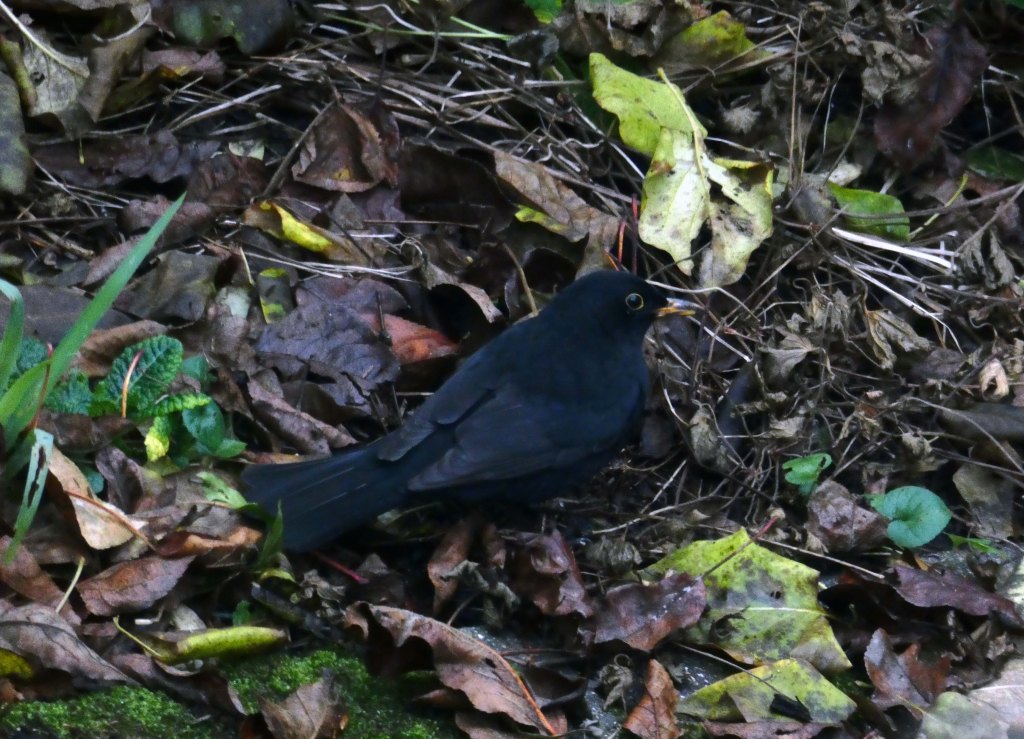
Leaf/log piles – ground feeding birds such as blackbirds will enthusiastically dig through leaves and the edges of a log pile to reach insects and worms. Remember you don’t need your whole garden to be ‘unkempt’ – if you like it neat, consider leaving a sheltered corner piled with leaves and twigs from the garden. The insects will come and the birds will follow.
Things to bare in mind –
- Check you are giving birds the right food – just like other animals some foods can be damaging or poisonous to birds (salted peanuts for example).
- Hygiene is important – cleaning your feeders and bird baths regularly will help stop the transmission of diseases between birds. Also take care of yourself – wash your hands after handling bird baths and feeders.
- Check the season – some birds should not be fed during the breeding season as they can take inappropriate food back to their young.
- For more advice on how to feed birds safely check the RSPB’s comprehensive advice: https://www.rspb.org.uk/birds-and-wildlife/advice/how-you-can-help-birds/feeding-birds/

 East Organic Gardening